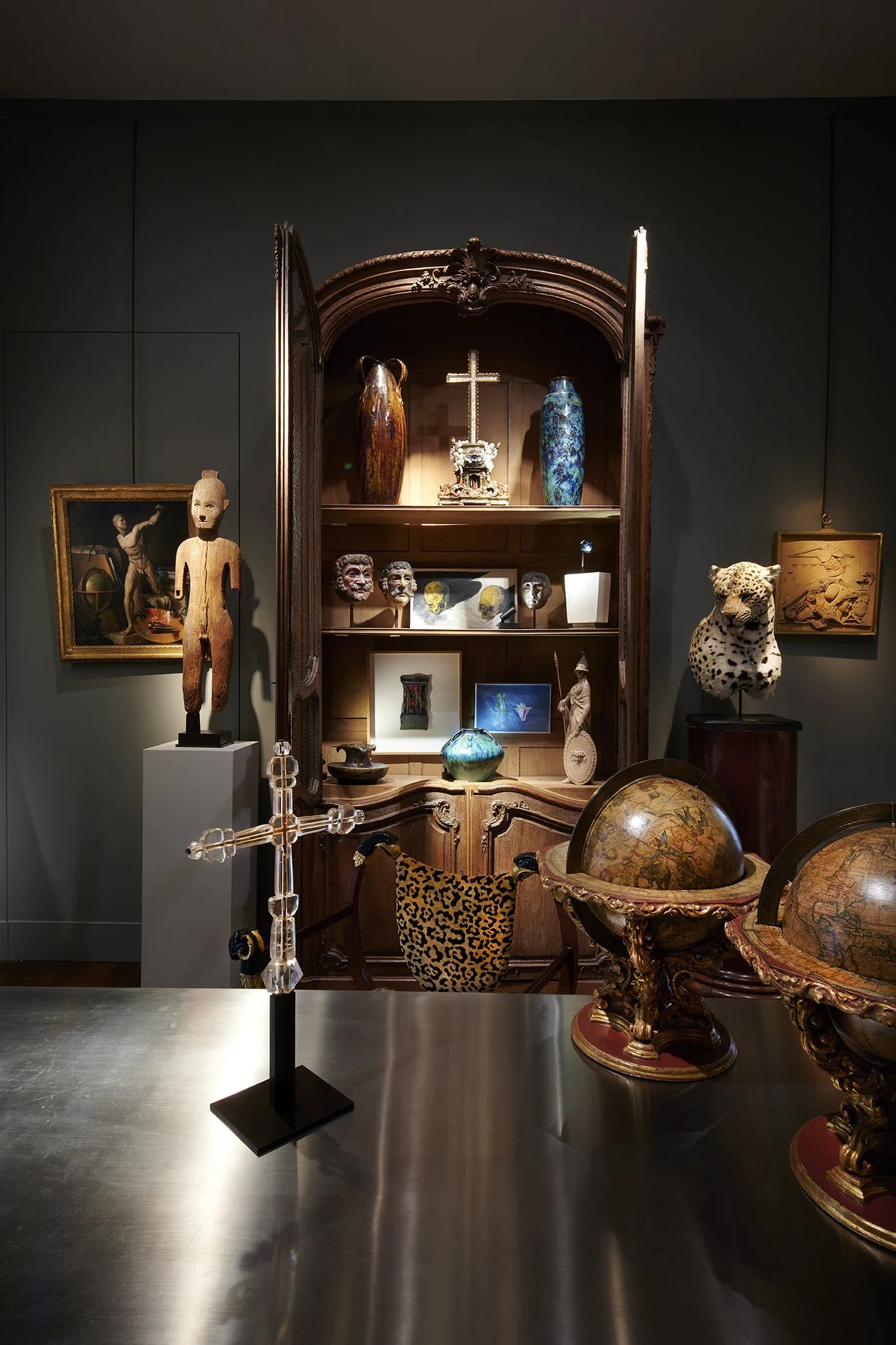
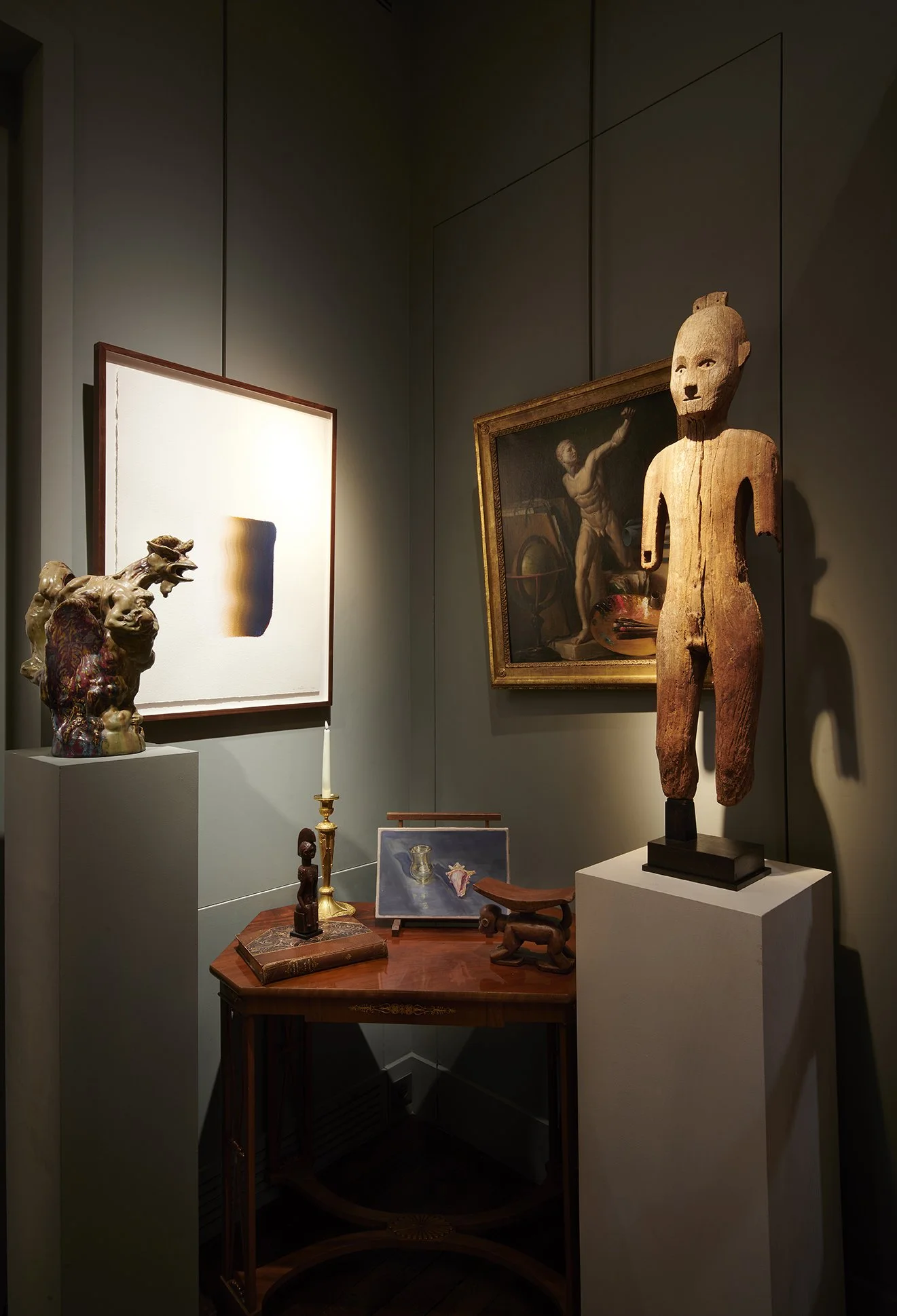
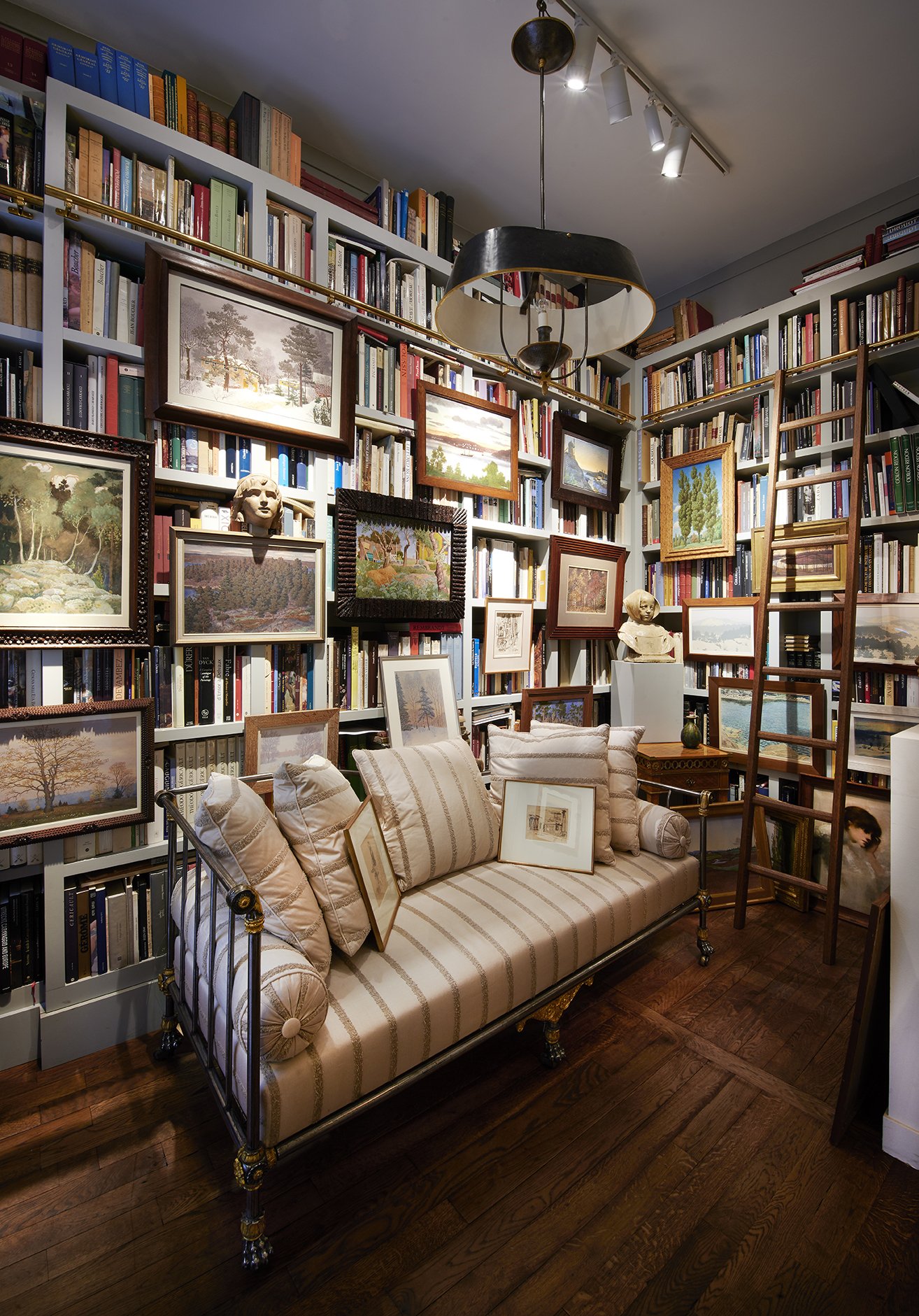
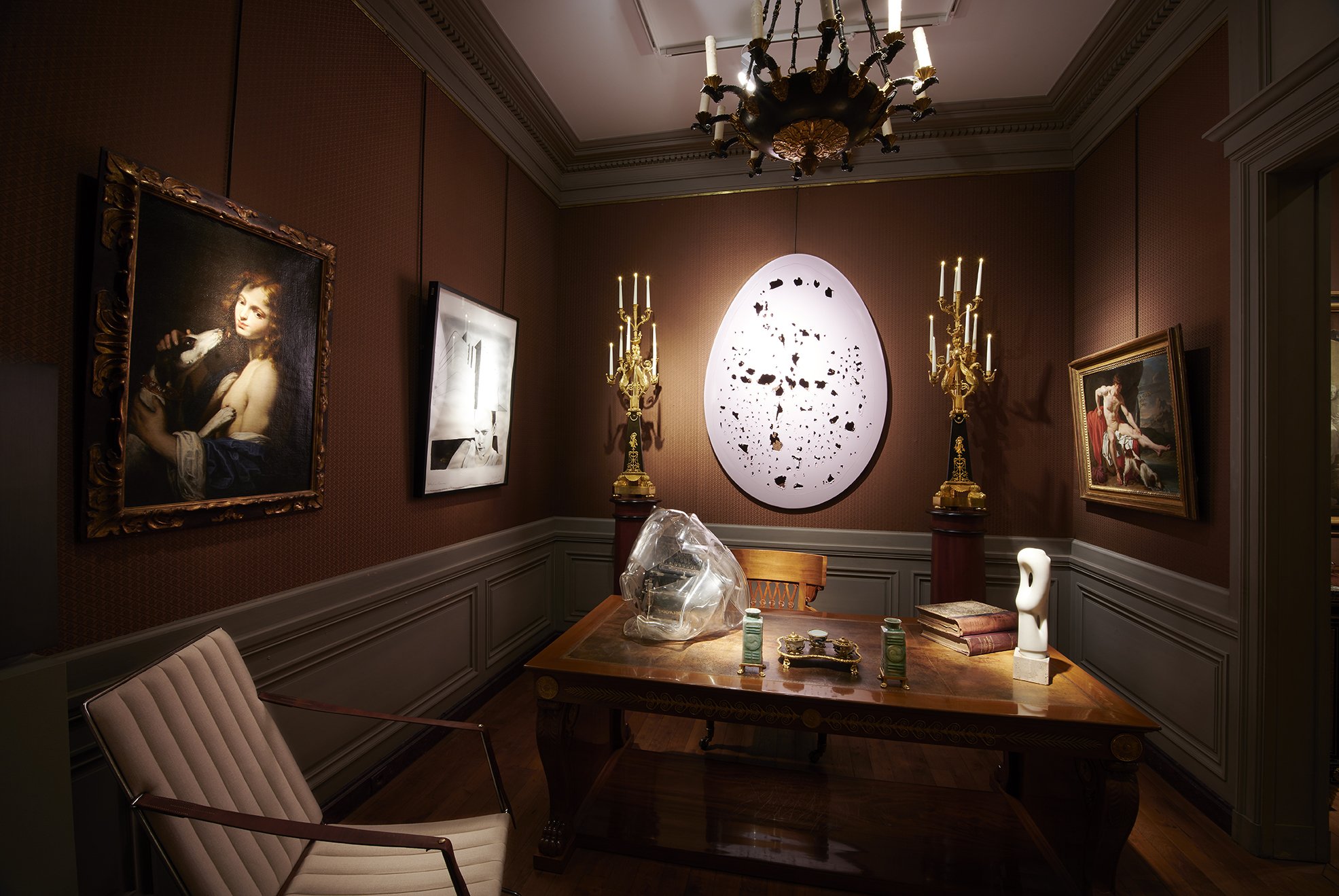
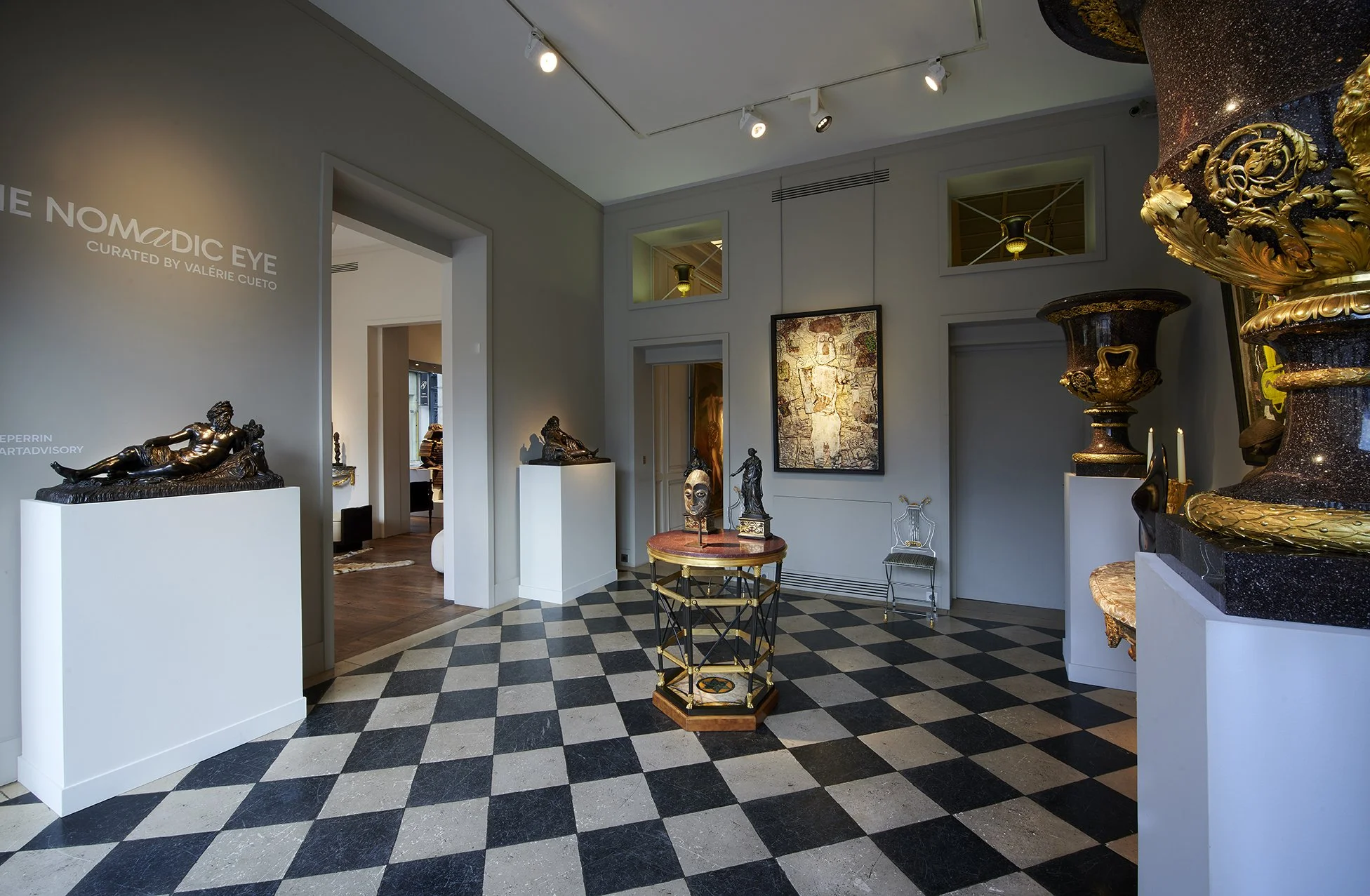
PARIS — Following the success of The Nomadic Eye in 2025, Galerie Perrin presents a new chapter in its collaboration with curator Valérie Cueto. Entitled The Nomadic Eye: Rome, The Eternal Interior, the exhibition explores Rome not as a historical subject, but as an enduring source of inspiration for artists and collectors.
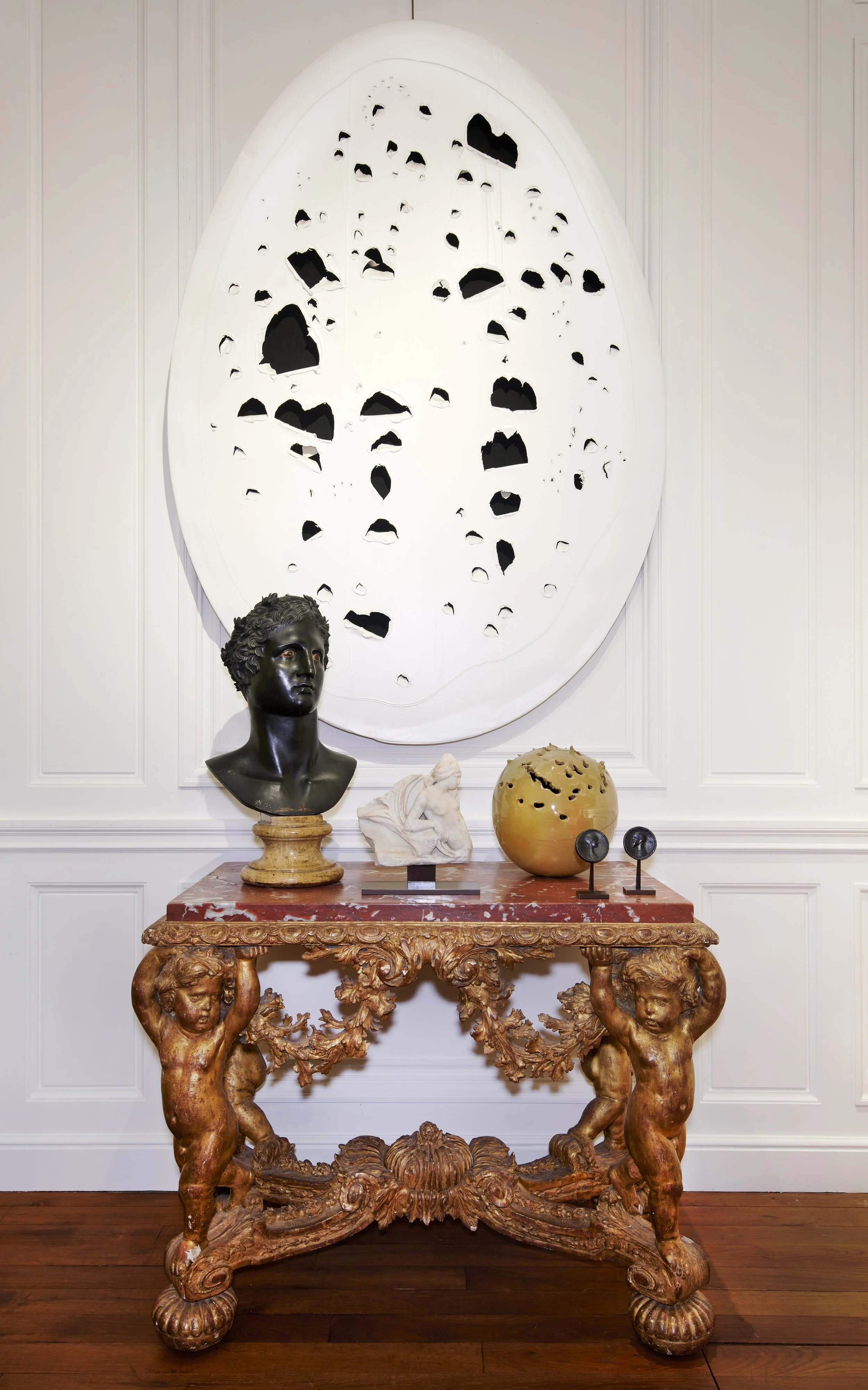
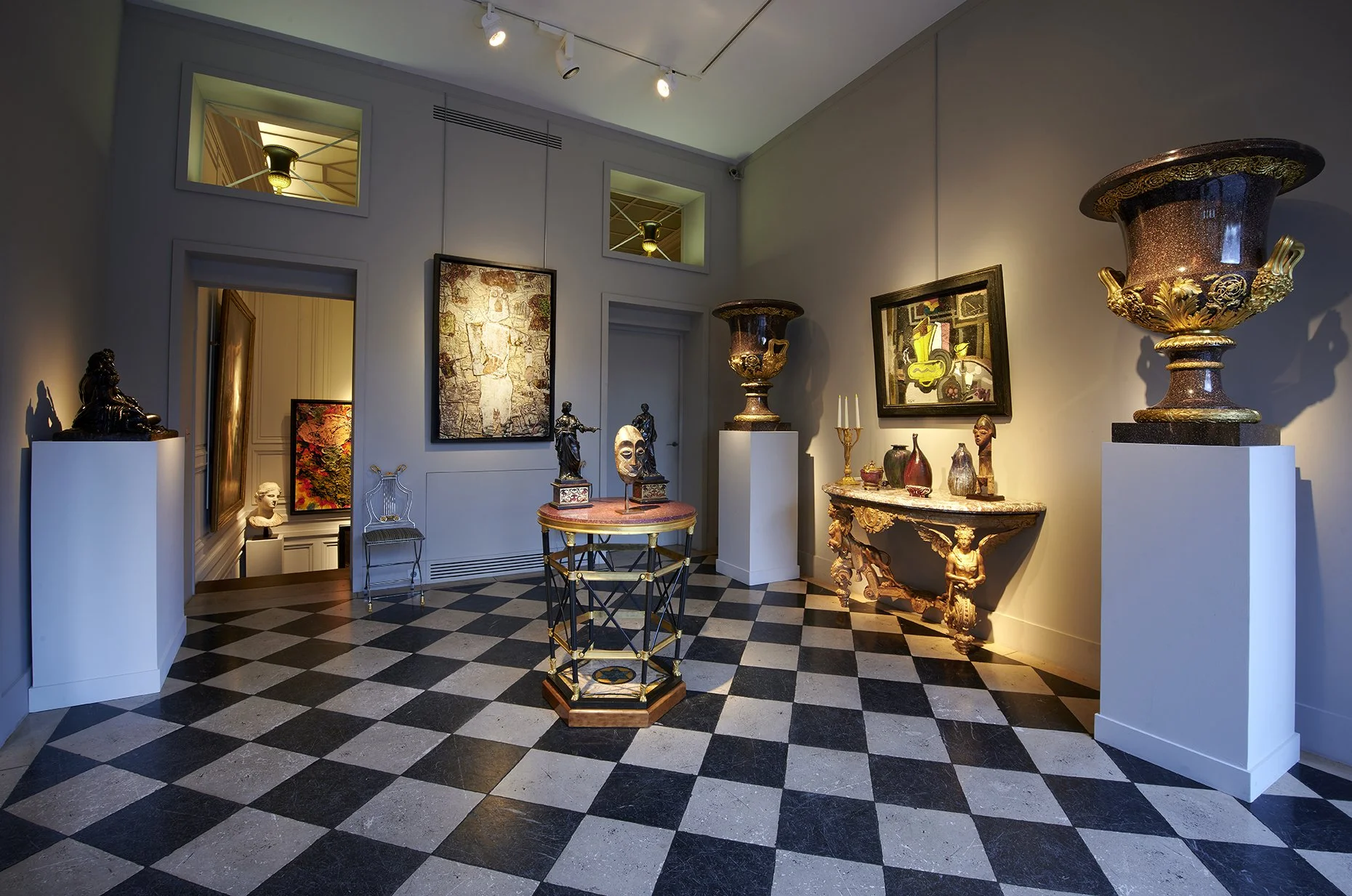
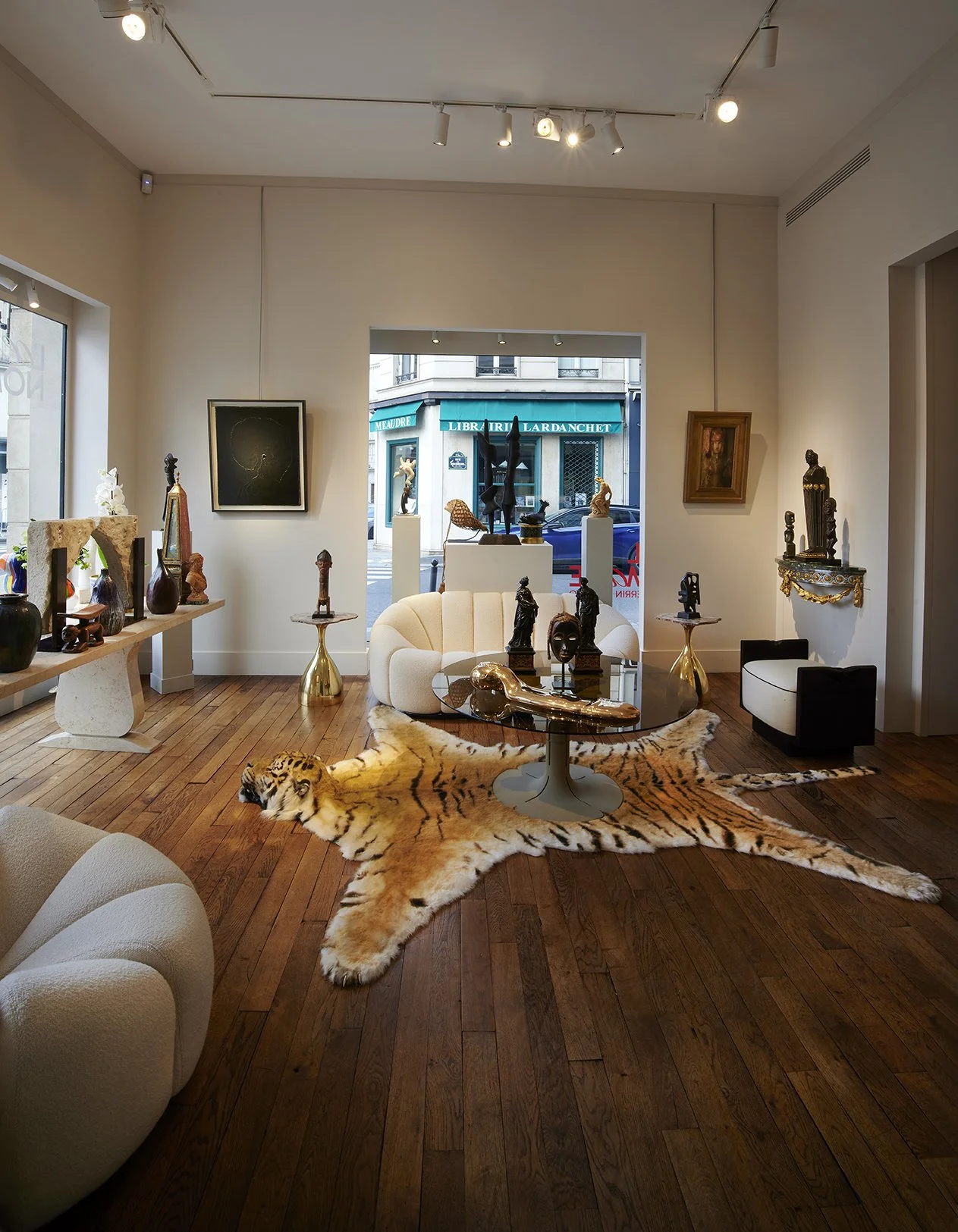
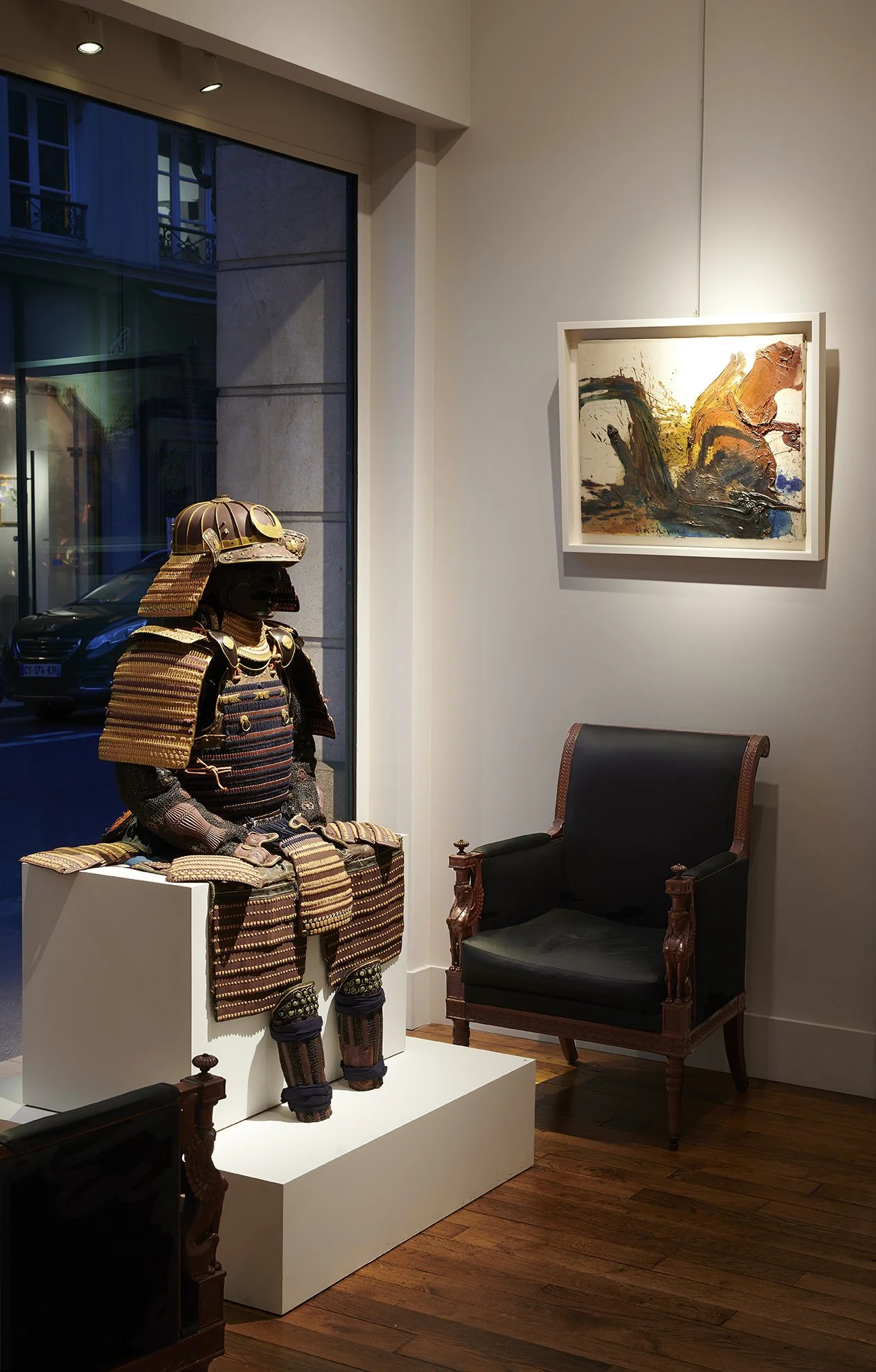
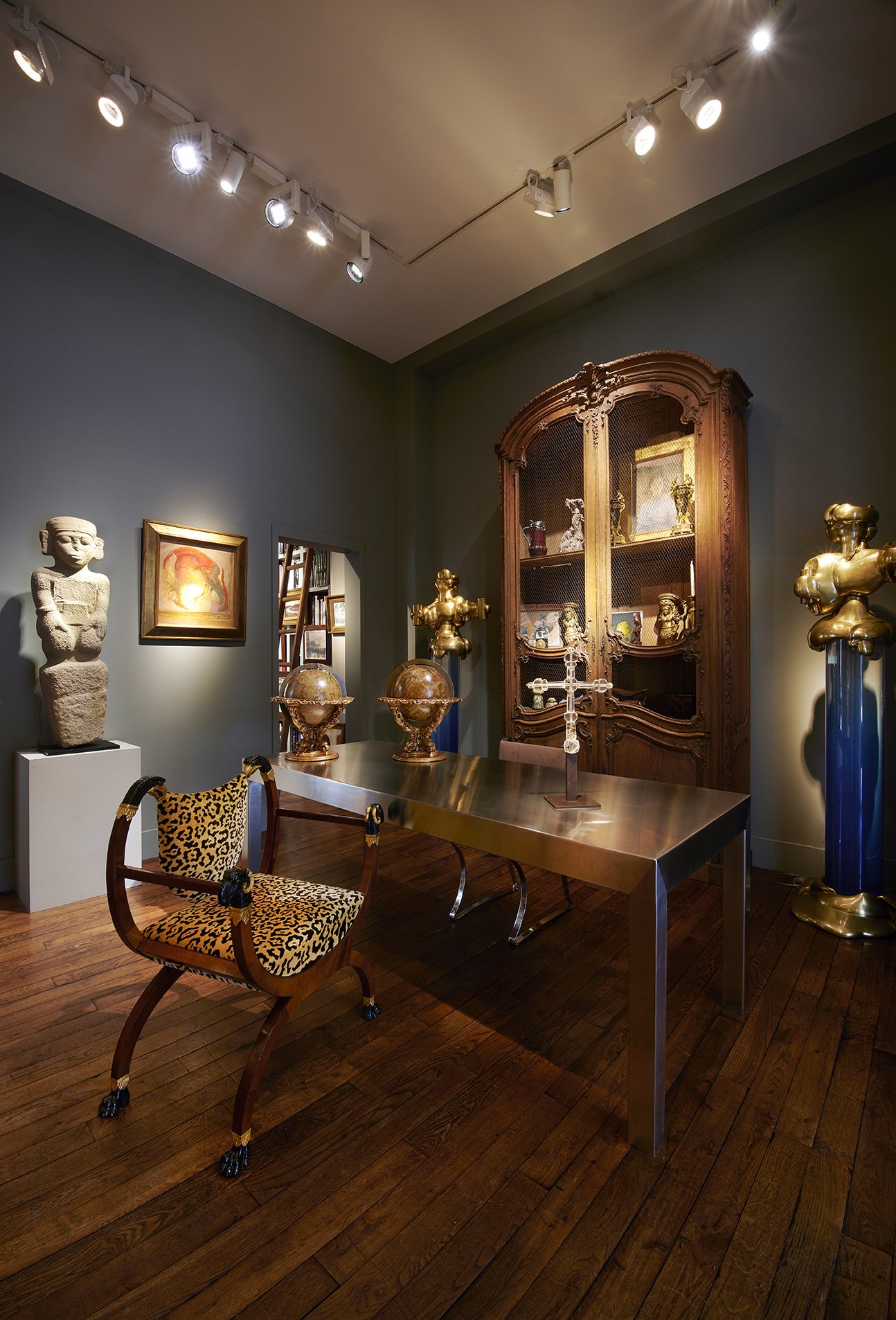
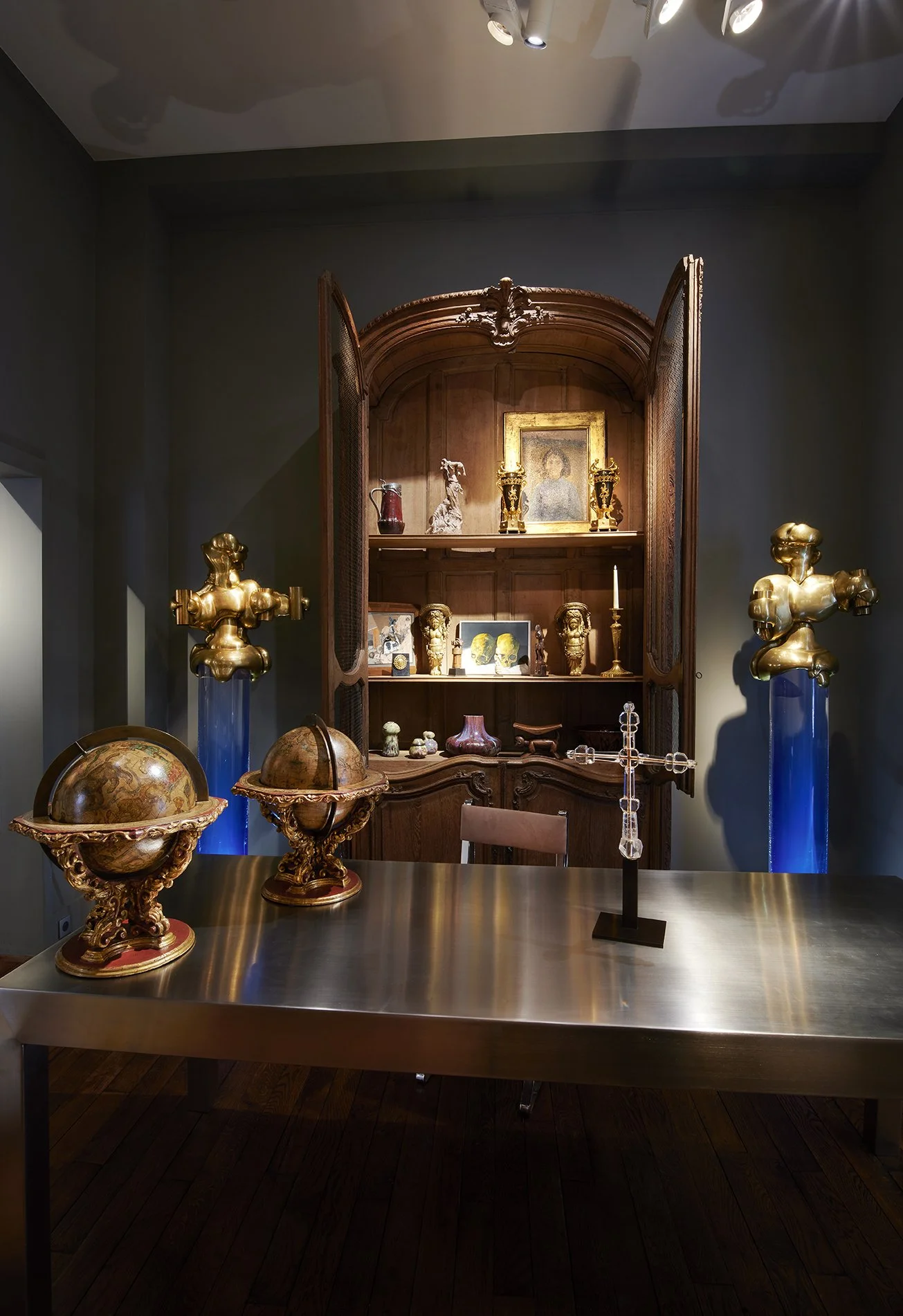
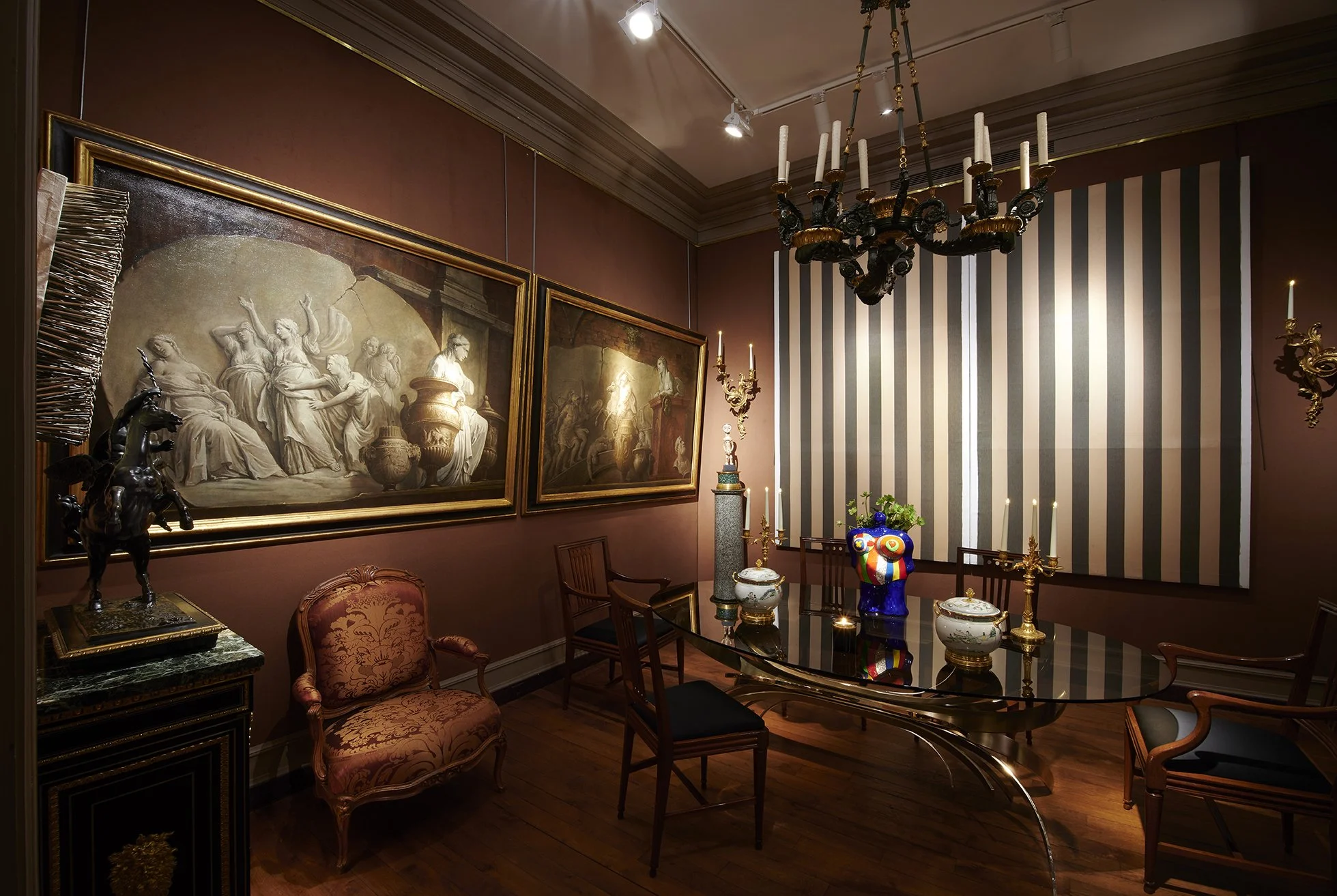
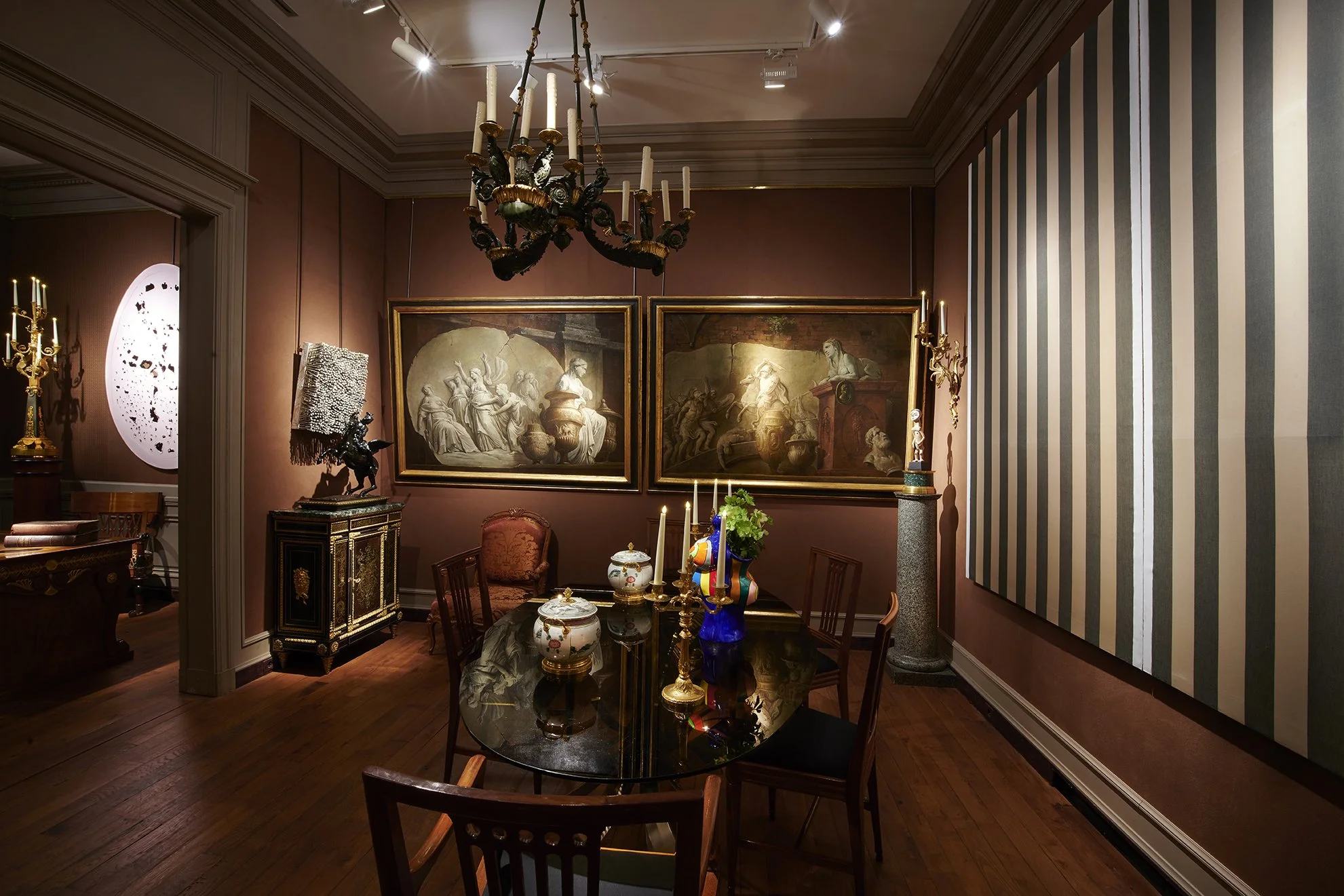
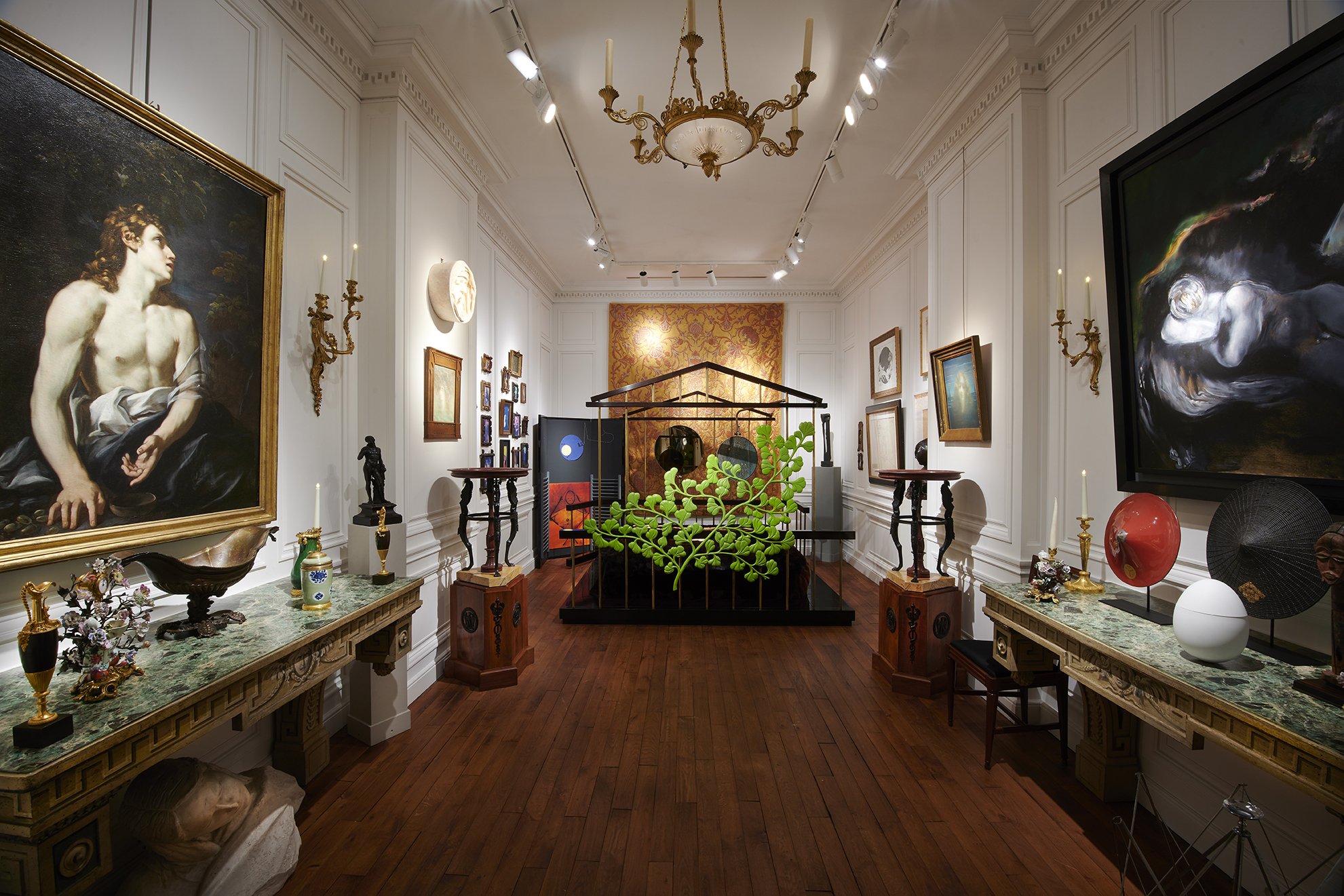
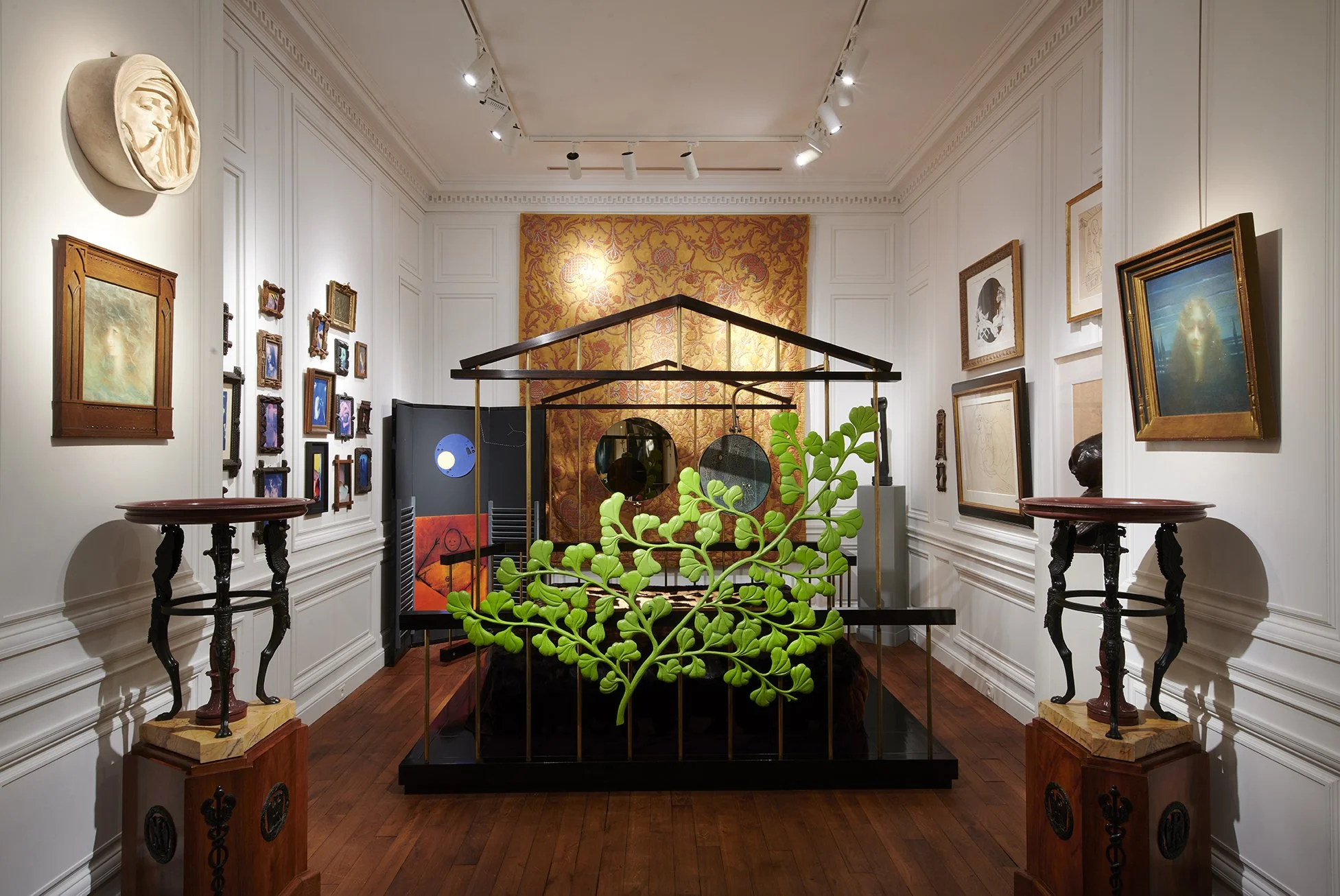
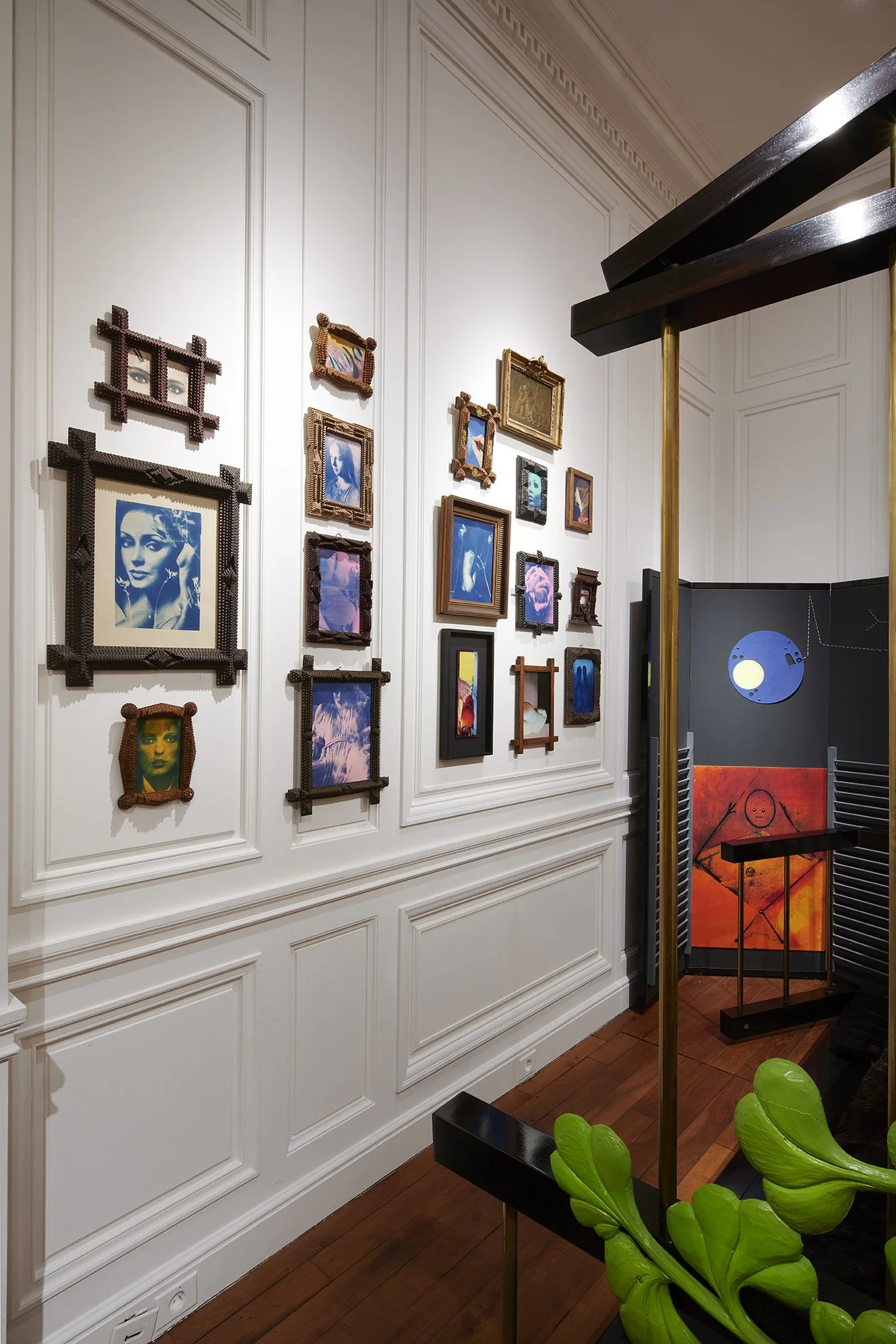
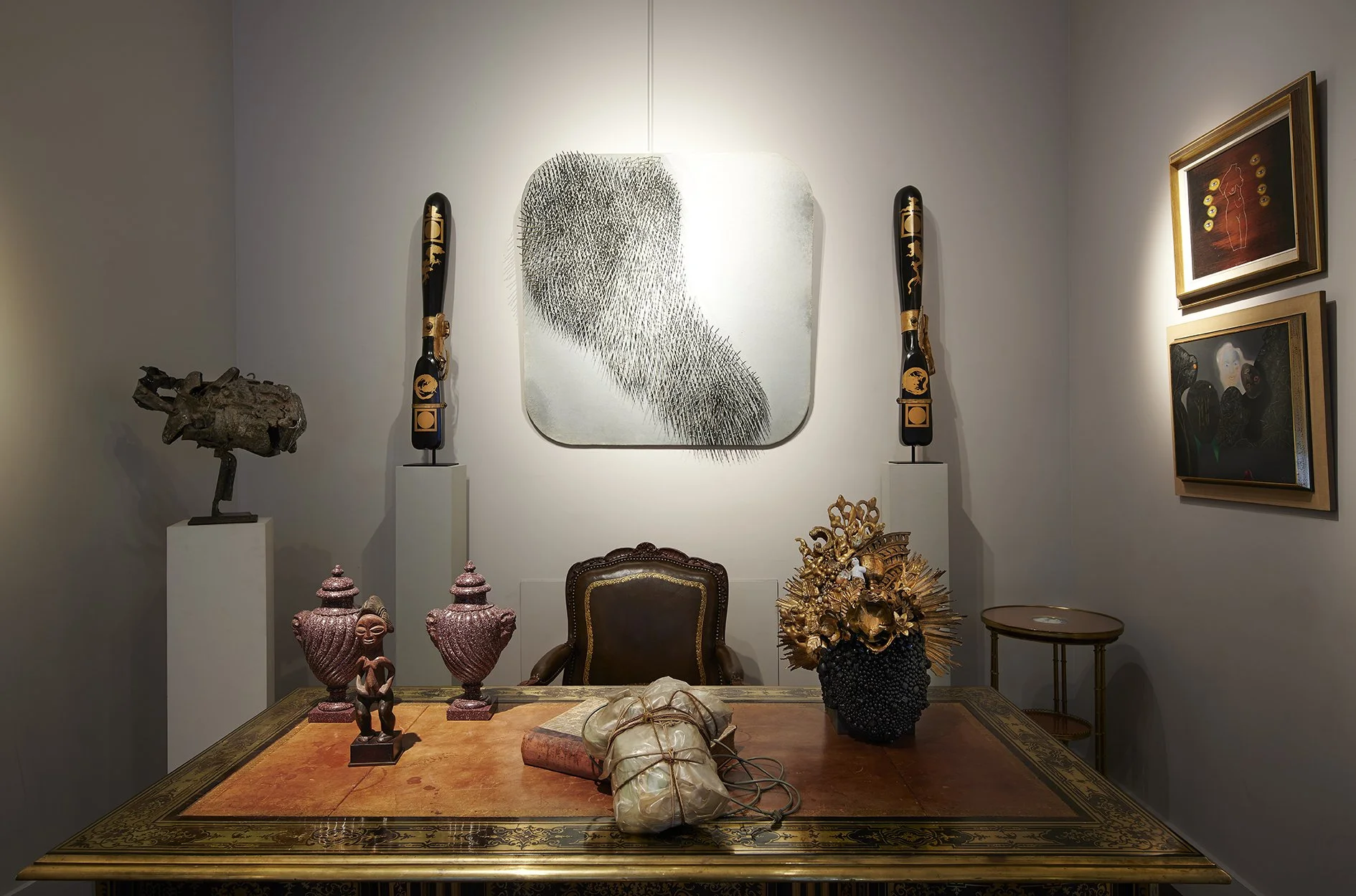
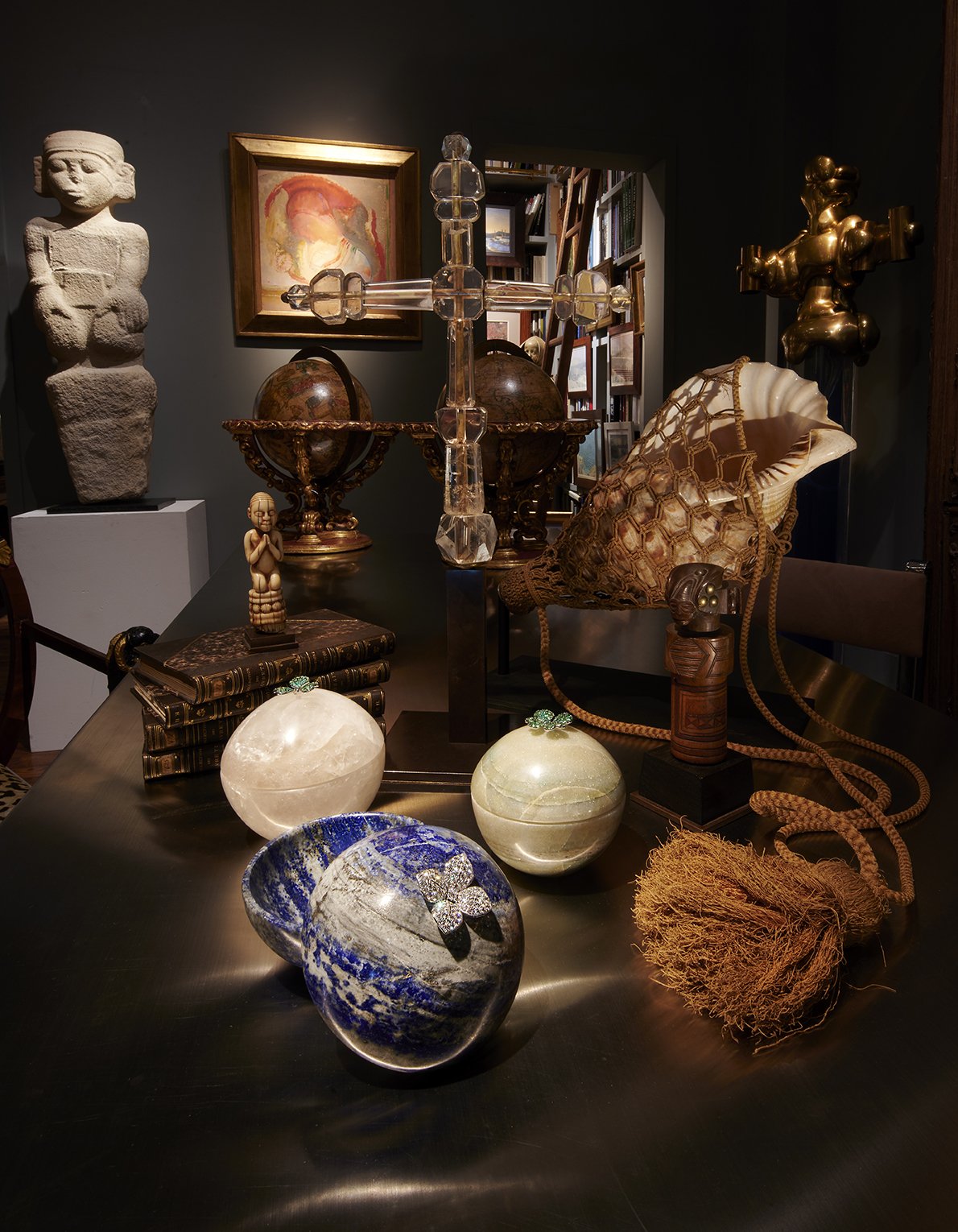
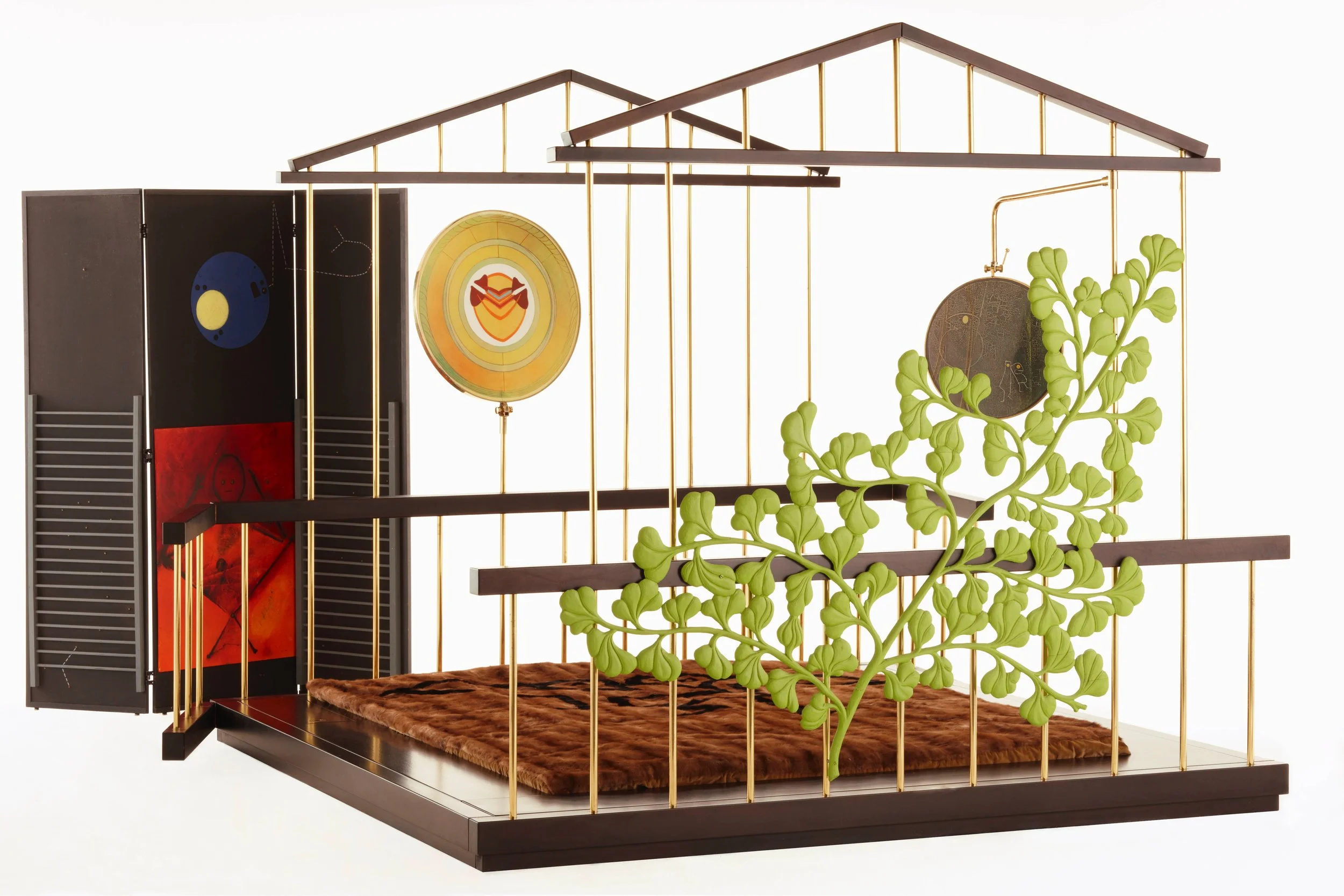
At the initiative of Philippe Perrin, a third-generation antiques dealer, the gallery is transformed into an imaginary interior where ancient sculptures, paintings, furniture, decorative arts and contemporary works enter into a free-flowing dialogue. The works are brought together not chronologically, but through their formal, intellectual and poetic resonances.
Valérie Cueto’s curatorial vision favors a sensitive approach to art history, bringing centuries into dialogue within a single space. Here, her work meets Philippe Perrin’s expertise in European art from the sixteenth to the nineteenth century, giving rise to an exhibition in which scholarship and a contemporary perspective echo one another.
Spanning antiquity to the twenty-first century, The Nomadic Eye II reveals the enduring legacy of Rome through a journey in which each work contributes to a timeless interior inspired by palazzi, collectors’ homes and artists’ studios.
More than an exhibition, The Nomadic Eye II: Rome, The Eternal Interior invites visitors to discover Rome as a way of seeing the world: a living memory, a source of creation and an eternal interior.
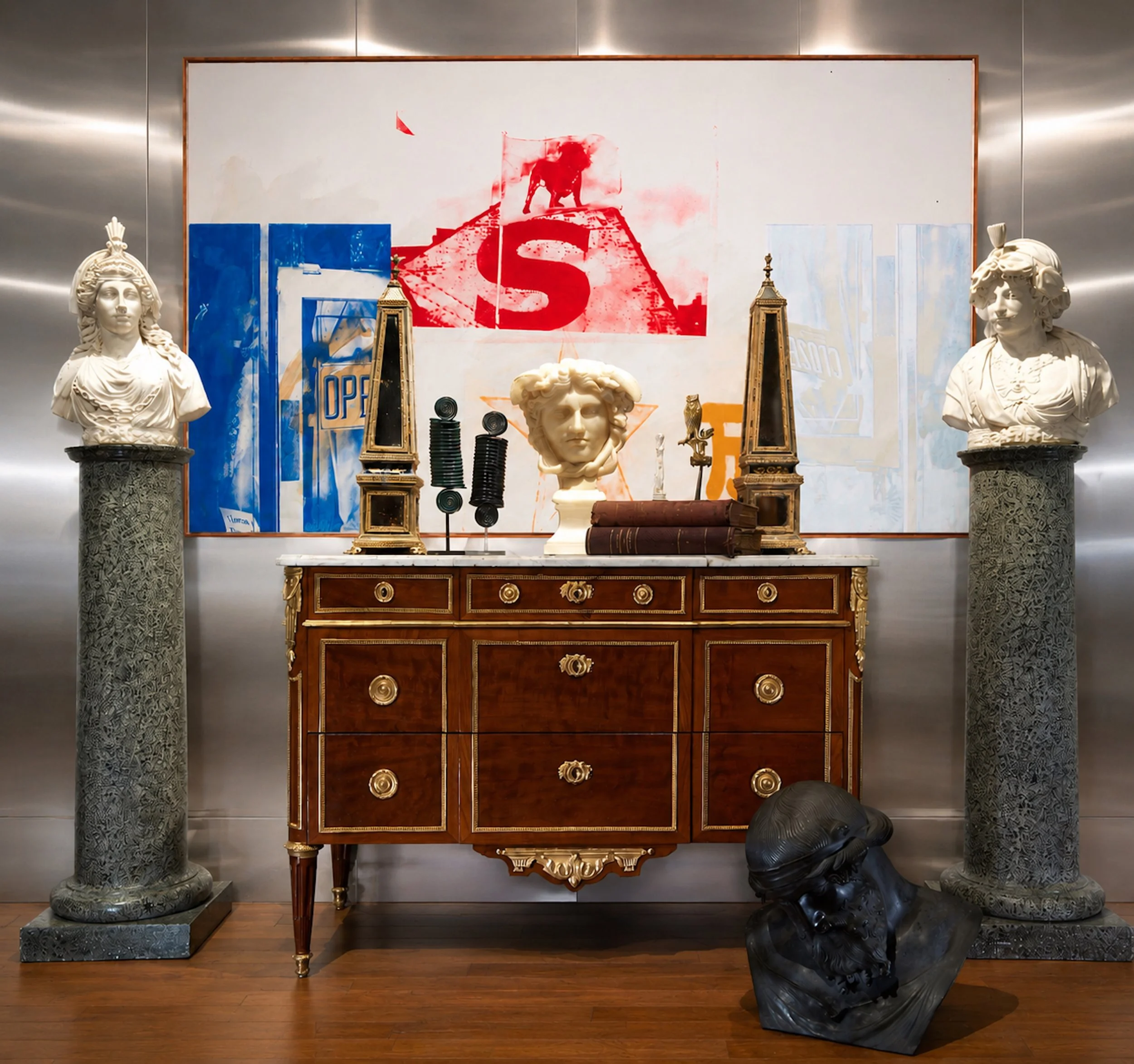
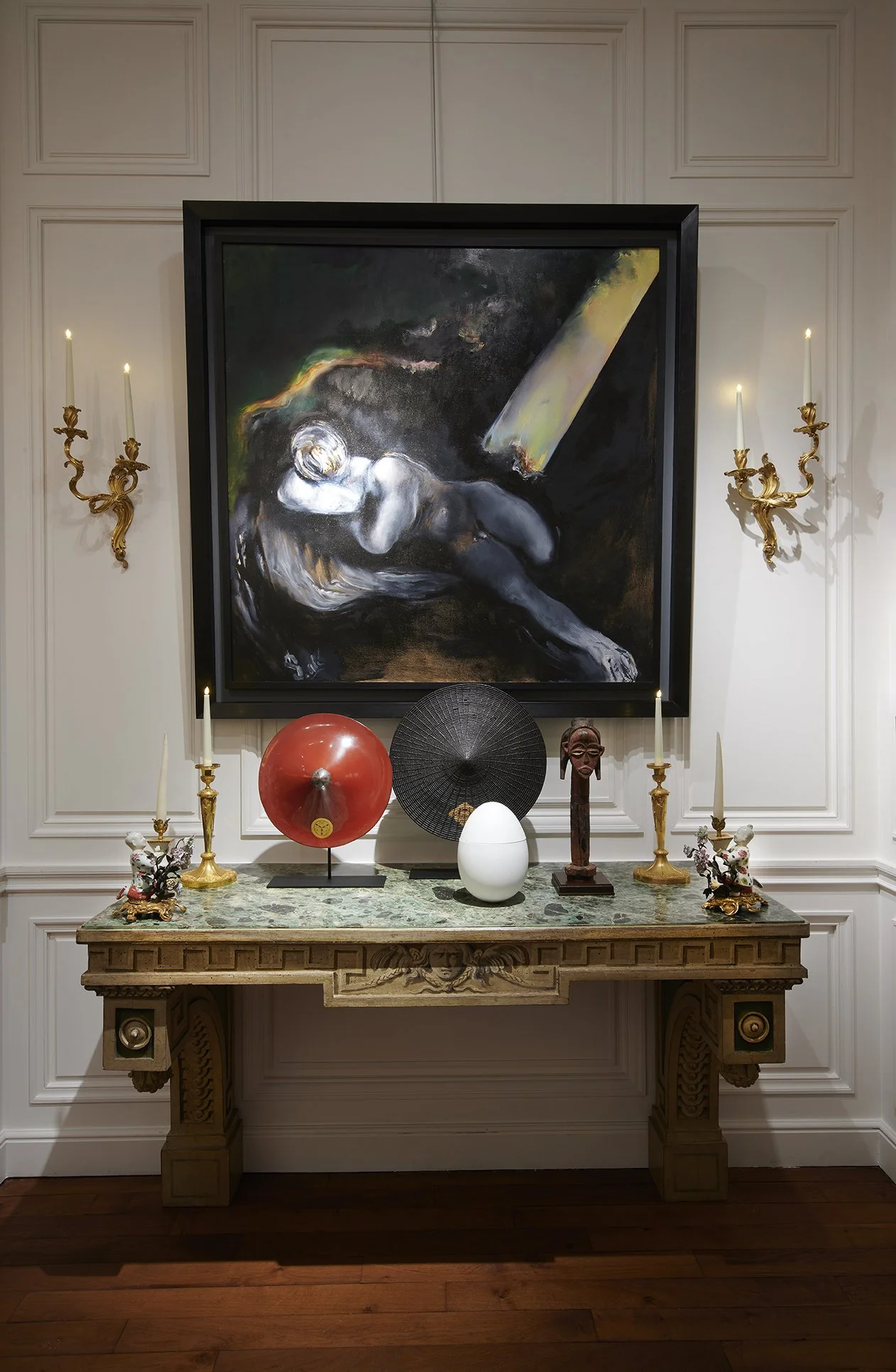
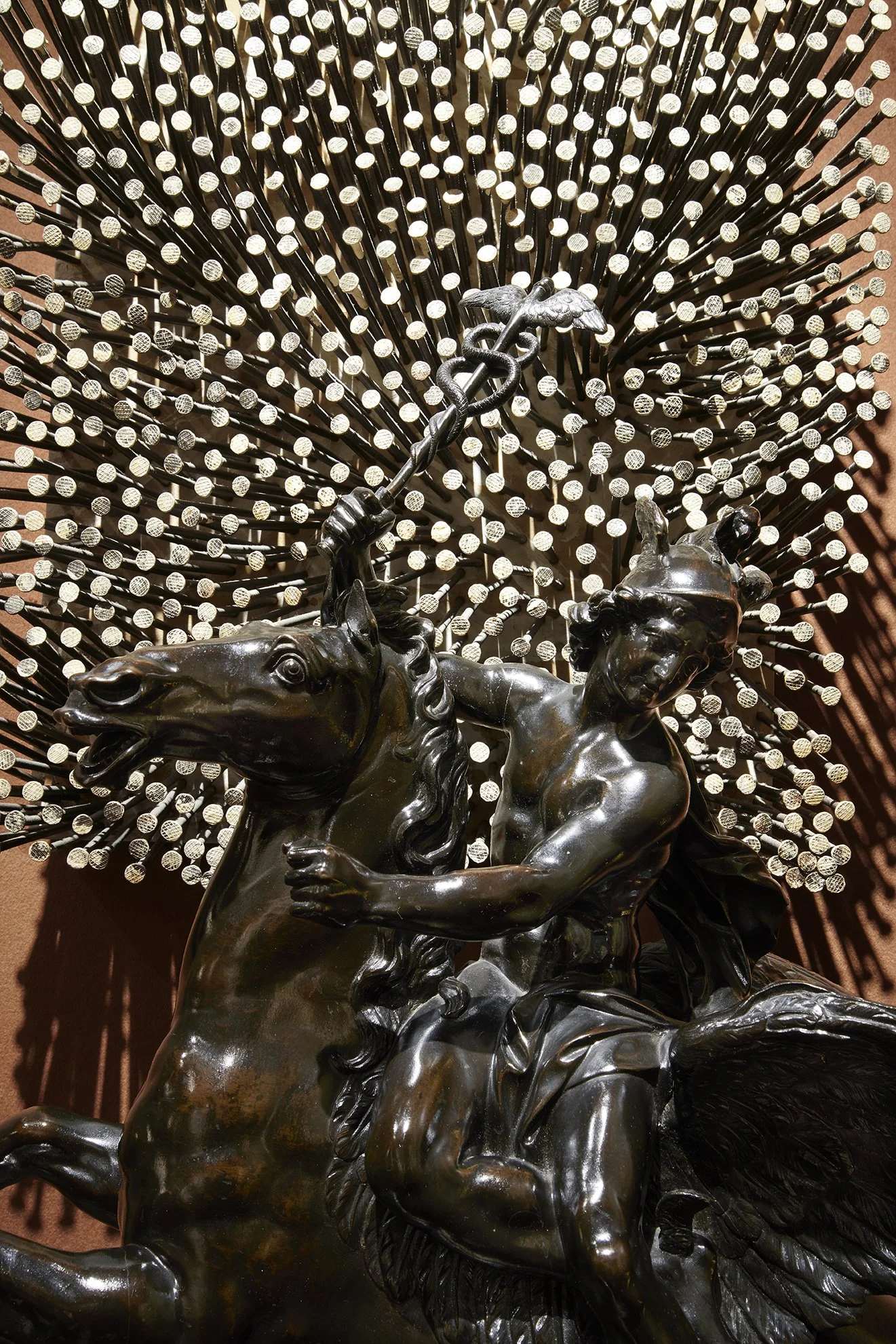
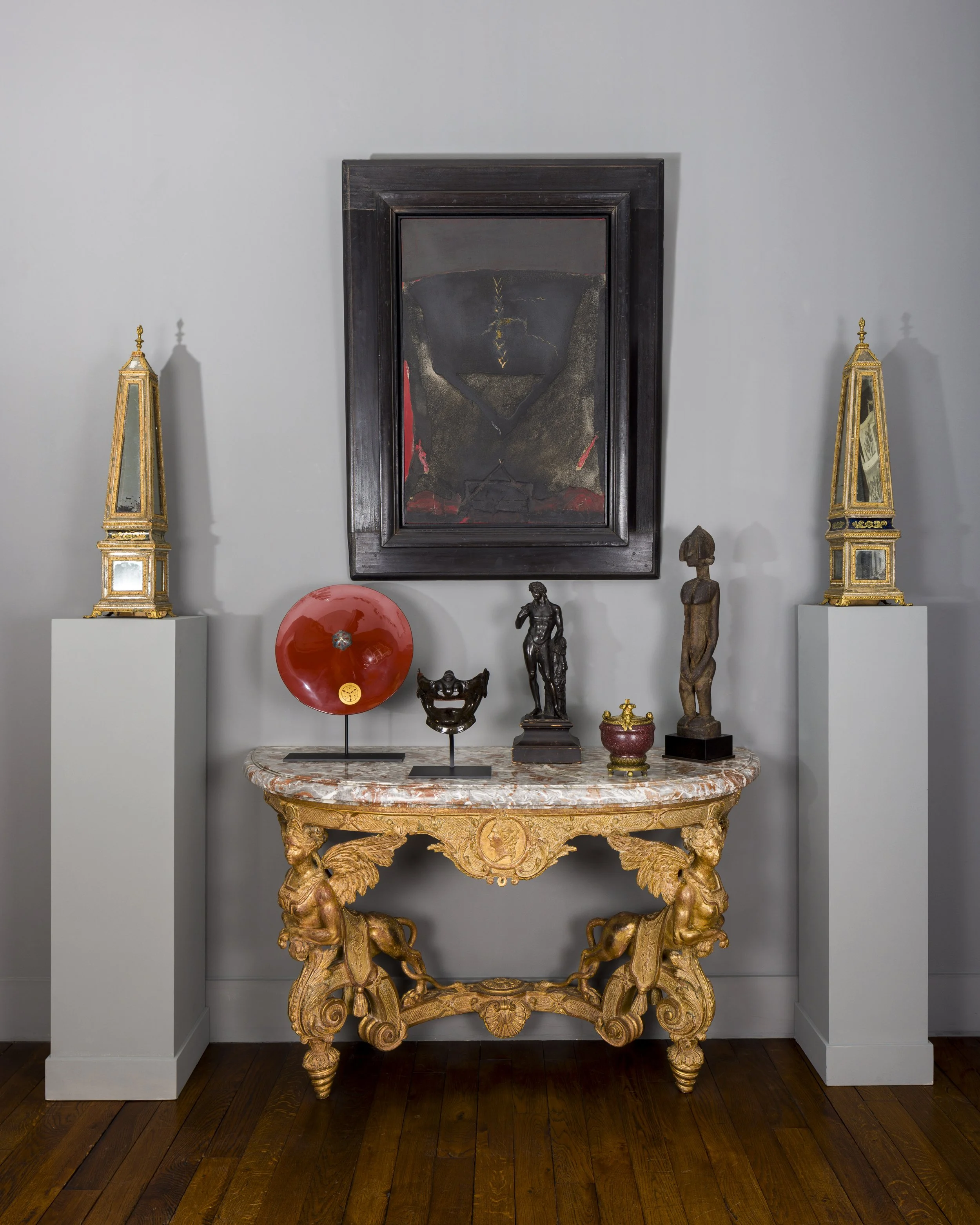
Robert Rauschenberg, Anniversary (Salvage), 1984, acrylique sur toile marouflée sur carton, 125,7 × 210,8 cm (49½ × 83 in), Masque de Méduse, Italie, vers 1820, albâtre, 50 × 23 cm, Paire de bracelets à décor de spirales, Europe centrale, âge du bronze, culture des Tumuli, vers 1600–1200 av. J.-C., Paire d’obélisques, Sicile, première moitié du XVIIIᵉ siècle, bois, carton, glace, verre aglomisé, argent doré, pâte de verre et laiton, H. 79 cm, L. 19 cm, P. 19 cm (31 × 7½ × 7½ in), Diego Giacometti, Grand Duc, poignée de porte, bronze doré, Vénus, rare sculpture romaine en os, IIᵉ–IIIᵉ siècle apr. J.-C., H. 16 cm, Buste de Dionysos, d’après l’Antique, vers 1900, bronze patiné, H. 68 cm, Commode LOUIS XVI, François Fontelle (active 17th century, d. before 1696) Louis XIV and Marie-Thérèse d’Autriche Costumed as Knight Ruggiero and Angelica, Versailles, 1664 White marble
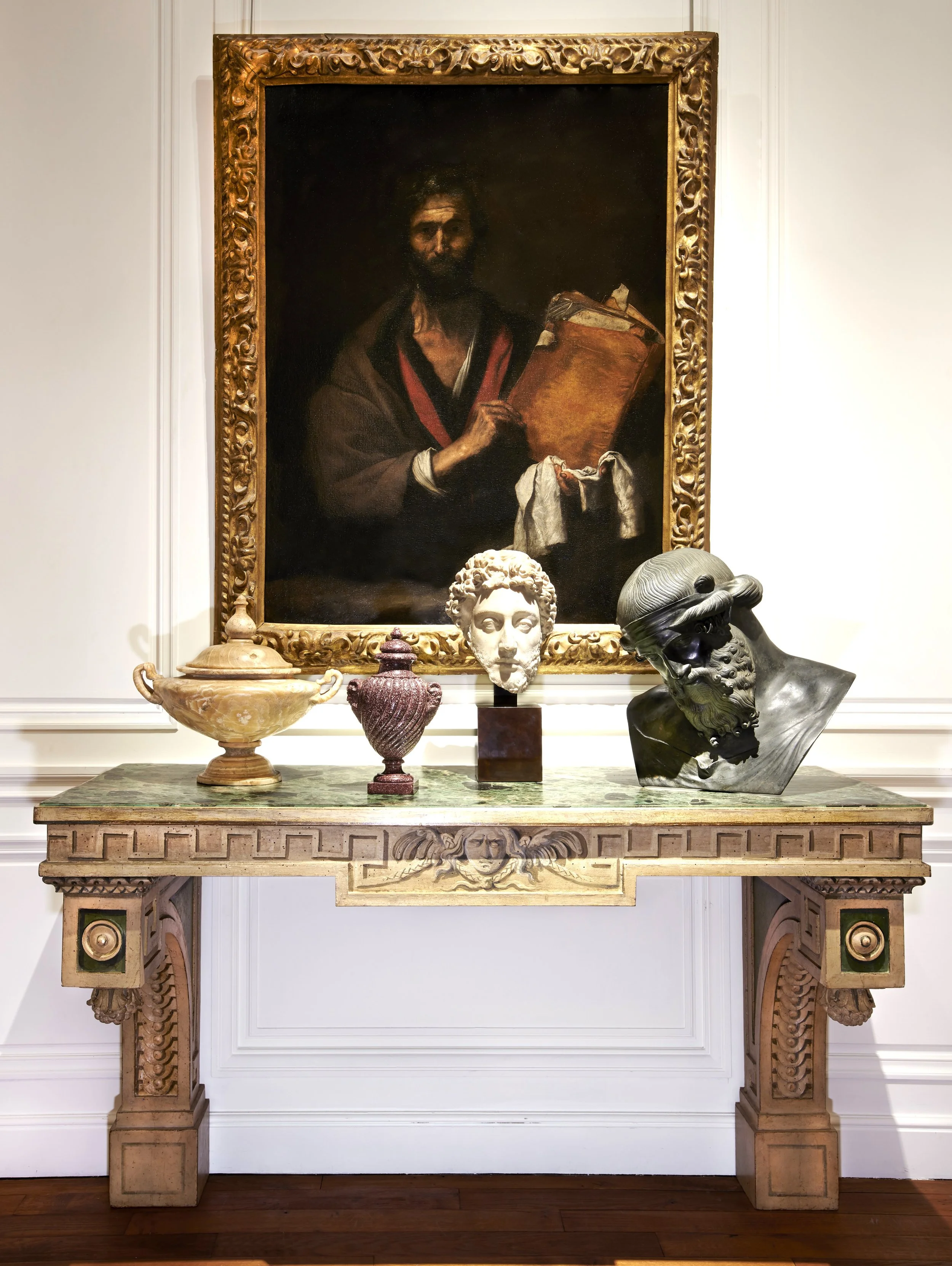
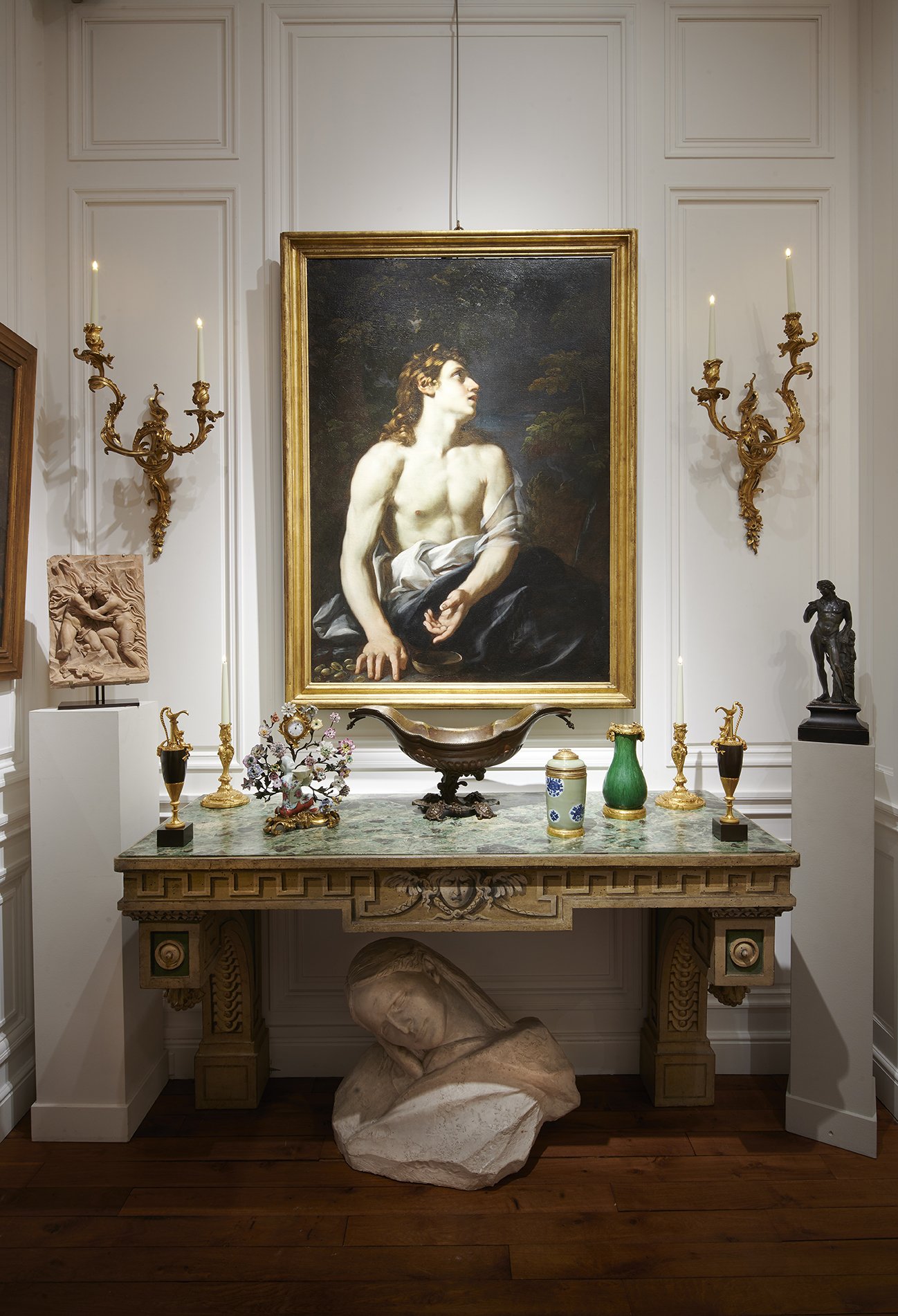
Jusepe de Ribera, sans titre Important vase tripartite, Art romain, période julio-claudienne, Ier siècle après J.-C., marbre. H. 40 cm, Paire de vases couverts, Italie, XIXe siècle, porphyre. H. 32 cm × D. 20 cm, Portrait de l’Empereur Commode, Art romain, fin du IIe siècle après J.-C., marbre blanc. H. 29 cm, Console italienne, XVIIIe siècle Buste de Dionysos, d’après l’Antique, vers 1900, bronze patiné. H. 68 cm


Quisque iaculis facilisis lacinia. Mauris euismod pellentesque tellus sit amet mollis.